
Shop Floor Solutions for CNC Manufacturing
Address visible production friction at the point where work is prepared, moved, set up, machined, inspected, and handed off.
Build Around the Specific Floor Condition
- Observe the issue during representative work.
- Include the operators and support roles involved in the handoff.
- Choose a countermeasure that fits safety, quality, and production requirements.
- Define training, documentation, and follow-up only after scope is agreed.
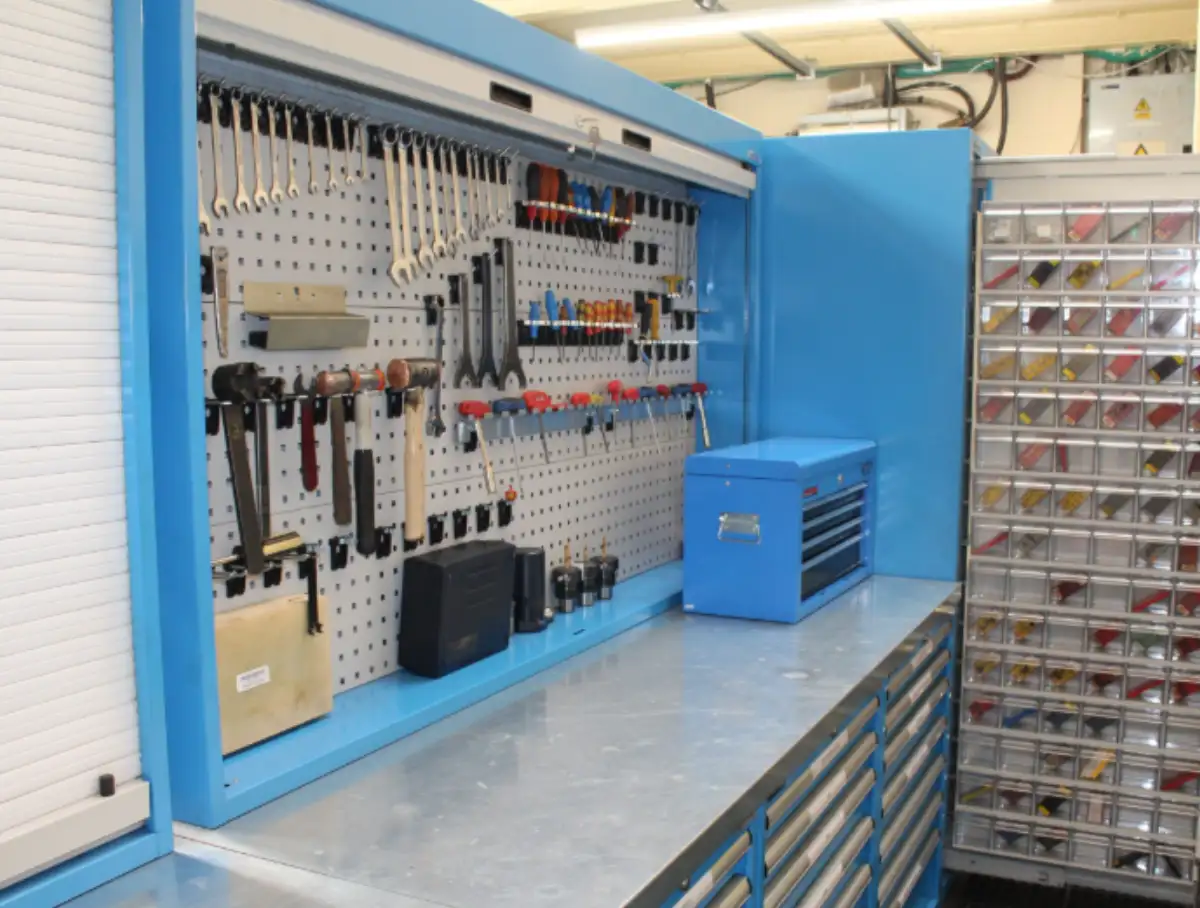
Turn a Floor Problem Into an Observable Condition
A floor-side problem should be described in terms the team can see: tools are missing when a setup begins, material waits without an owner, a first-piece approval stops the machine, or the next job is not ready when the current one finishes.
The service scope may involve observation, analysis, training, or implementation support, but no standard package, follow-up period, or guaranteed result is promised.
Workplace Readiness
Put the information, tools, material, and fixtures needed for the task where readiness can be confirmed.
Standard Work
Document a stable method only after the responsible people have reviewed it against actual conditions.
Visual Status
Use simple ready, blocked, running, inspection, and complete states that help the next decision.
Issue Escalation
Define who responds when the expected condition is missing and how the schedule is updated.
Shop Floor Solutions for CNC Manufacturing Questions
No. The highest-priority issue depends on customer requirements, system constraints, risk, and the decision the facility needs to make.
Those elements are included only when agreed in scope; no standard duration or package is promised.
No. Establish the baseline and acceptance criteria before evaluating a change.
Bring the production problem you want to solve, examples of when it occurs, the people and processes involved, and any records your team already uses. The discussion can determine which observations or measurements would be useful next.