Manufacturing Consulting in the United States

Hands-on support for U.S. CNC job shops, OEM suppliers, and production teams that need better throughput, cleaner setup routines, and stronger shop-floor discipline.

Nationwide Shop-Floor Support

Consulting Planned Around the Production Floor

Manufacturing consulting in the United States has to account for a wide range of plant sizes, shift patterns, customer requirements, and part mixes. A high-mix CNC job shop may be fighting daily changeovers and first-article delays, while a larger supplier may need better flow across cells, clearer supervisor routines, or a machine evaluation before committing to capital equipment.

The Streamline Group starts with the operating problem that is costing capacity now. That may be a bottleneck machine, a repeat setup window, a tooling decision that keeps creating delays, or a workflow handoff that looks organized until the schedule gets tight. From there, the engagement can move into manufacturing consulting, a focused shop-floor optimization visit, setup reduction, CNC consulting, or manufacturing training.

Every facility visit is scoped so floor time is useful. Before travel, we discuss the machines involved, the jobs creating pressure, the data you already trust, and the people who need to be part of the walkthrough. That preparation helps the visit focus on live work instead of broad interviews.

Manufacturing consultant working with CNC operators during a U.S. shop-floor walkthrough

What U.S. Plants Usually Need First

The best starting point depends on where lost capacity shows up in daily production.

Throughput stuck below demand

We trace the constraint through the machine, queue, inspection point, or operator method that controls the schedule, then prioritize changes that can recover usable capacity before another equipment purchase is assumed.

Changeovers consuming productive hours

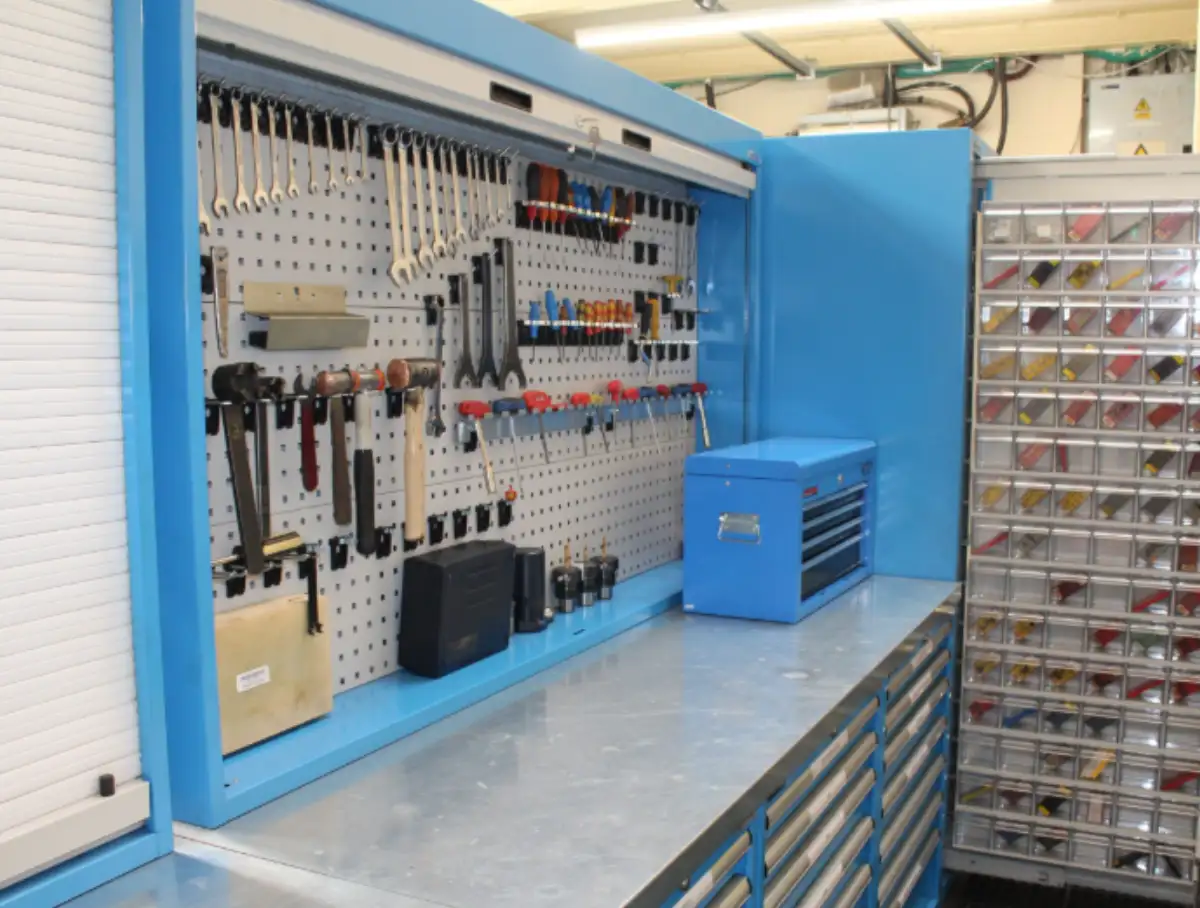
Setup reduction work separates internal and external tasks, improves tool and fixture staging, documents the new sequence, and trains the team so better changeovers do not depend on one expert operator.

Good people using inconsistent methods

Manufacturing training and standard work help operators, leads, and supervisors repeat the strongest method across shifts, especially when tribal knowledge is slowing new hires or creating quality variation.

Tooling or machine decisions need evidence

Tooling review and machine tool evaluation give leadership a clearer view of whether the constraint is process discipline, workholding, cutting strategy, machine condition, or true equipment capacity.

Value stream mapping used to study U.S. manufacturing workflow constraints

Efficient Visit Planning

What to Share Before a Walkthrough

A useful discovery call does not require perfect reporting. It helps to share a machine list, common part families, typical setup-time ranges, late-order pressure, inspection or quality concerns, and any areas where supervisors believe time is being lost. If the data is incomplete, that is still useful because the first step may be deciding what to measure on the floor.

Photos or short notes about fixture storage, tool staging, material queues, inspection handoffs, and machine layout help set the visit agenda. That context lets the walkthrough focus on the right work, the right people, and the floor conditions operators and supervisors deal with every day.

Manufacturers planning a first call can review the service areas overview for national availability, then compare United States shop floor optimization when the immediate need is flow, setup pressure, and constraint recovery.

Questions From U.S. Manufacturing Teams

Many projects begin with a remote discovery call, but setup reduction, workflow optimization, operator training, and machine evaluation usually benefit from seeing live production. Floor observation reveals staging issues, handoff delays, tool searches, inspection loops, and method variation that rarely show up clearly in reports.

The work is a fit for CNC job shops, OEM suppliers, and growing manufacturers that need practical throughput improvement from current equipment. It is especially useful when demand is strong but setups, routing, quality checks, tooling, or training gaps are limiting output.

Yes. A focused review can show whether the constraint is true machine capacity or lost capacity inside the current process. If a purchase is justified, the findings can also make the equipment decision more precise.