
Setup Time Reduction for CNC Machining
Study the full changeover—from the last good part to the next accepted part—and remove avoidable searching, waiting, adjustment, and repeat work.
See the Whole Changeover
Setup time is shaped by more than the work at the machine. Material staging, tool preparation, workholding, offsets, program readiness, inspection access, and first-piece approval can all extend the changeover.
A useful review records the actual sequence, identifies which work can be prepared before the machine stops, and tests changes against safety, quality, and repeatability requirements.
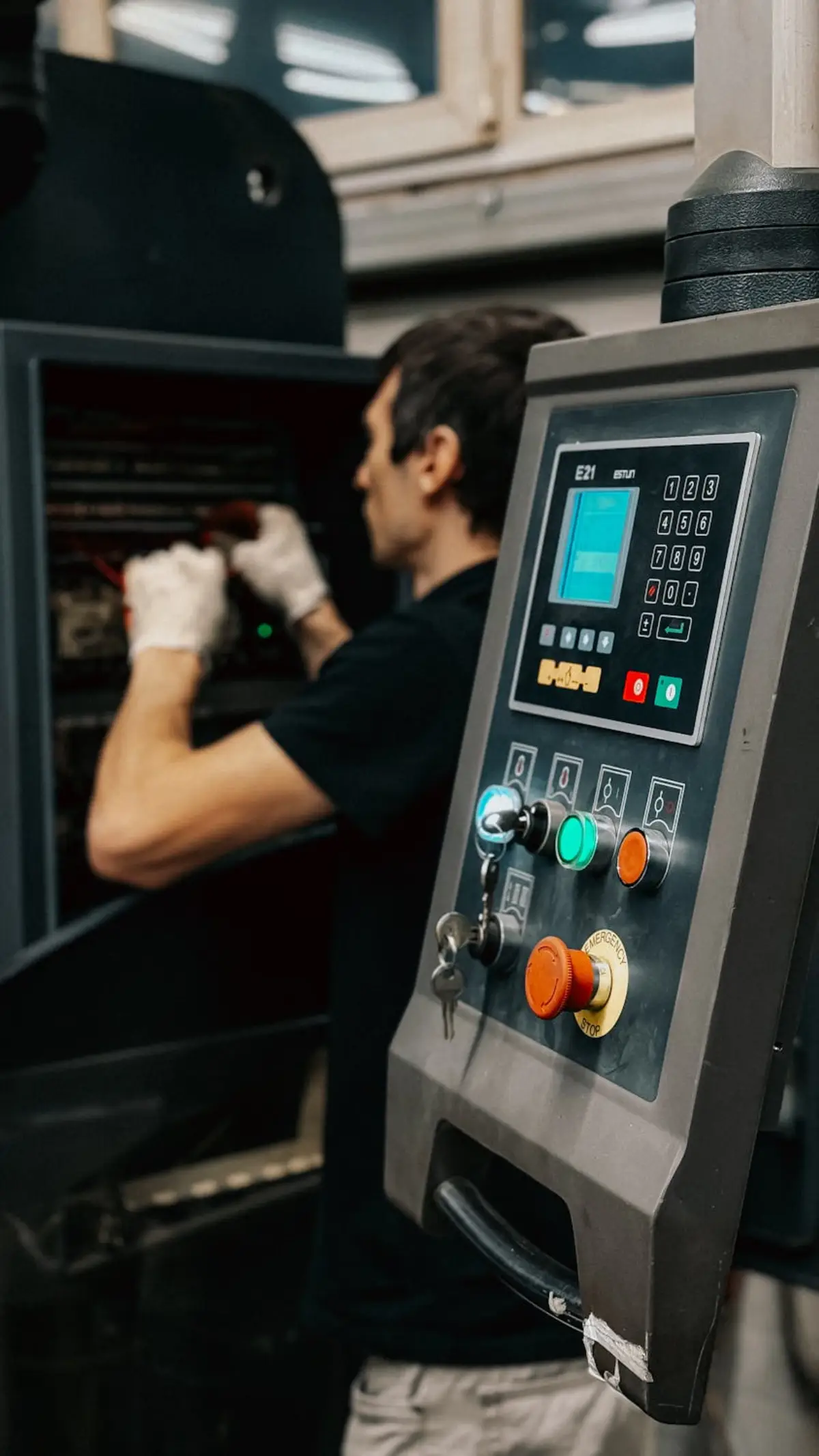
Observe
Record the setup as it happens, including waits, searches, adjustments, and approvals.
Separate
Distinguish work that requires the machine to be stopped from work that can be prepared earlier.
Simplify
Evaluate staging, locating, fastening, presetting, information, and handoffs for the selected setup.
Confirm
Repeat the revised method and document what operators need for consistent use.
Choose a Setup Worth Studying
- Select a recurring changeover that affects delivery, available machine time, or schedule flexibility.
- Include the operator, planner, programmer, tool room, material handler, and inspector where their handoffs affect the setup.
- Record the baseline with agreed start and stop points.
- Evaluate cost, equipment, training, and adoption needs after the loss is understood; do not assume every change is free or automatically accepted.
Setup Time Reduction for CNC Machining Questions
It depends on the observed cause. Some changes may involve organization or sequence, while others may require tooling, workholding, presetting, software, or other investment.
No universal result applies. Measure the selected setup and compare any revised method with the same start, stop, safety, and quality requirements.
Adoption is not guaranteed. Involving the people who perform and support the setup can improve the practicality of the method and training plan.
Choose the setup, schedule a representative run, gather the relevant tooling and instructions, and identify who participates in the handoffs.