CNC Consulting — Machine-Level Expertise for Your Shop
Hands-on CNC consulting that improves cycle time, tooling, fixturing, and programming for turning, milling, and multi-axis operations.
CNC Expertise Where It Matters — At the Machine
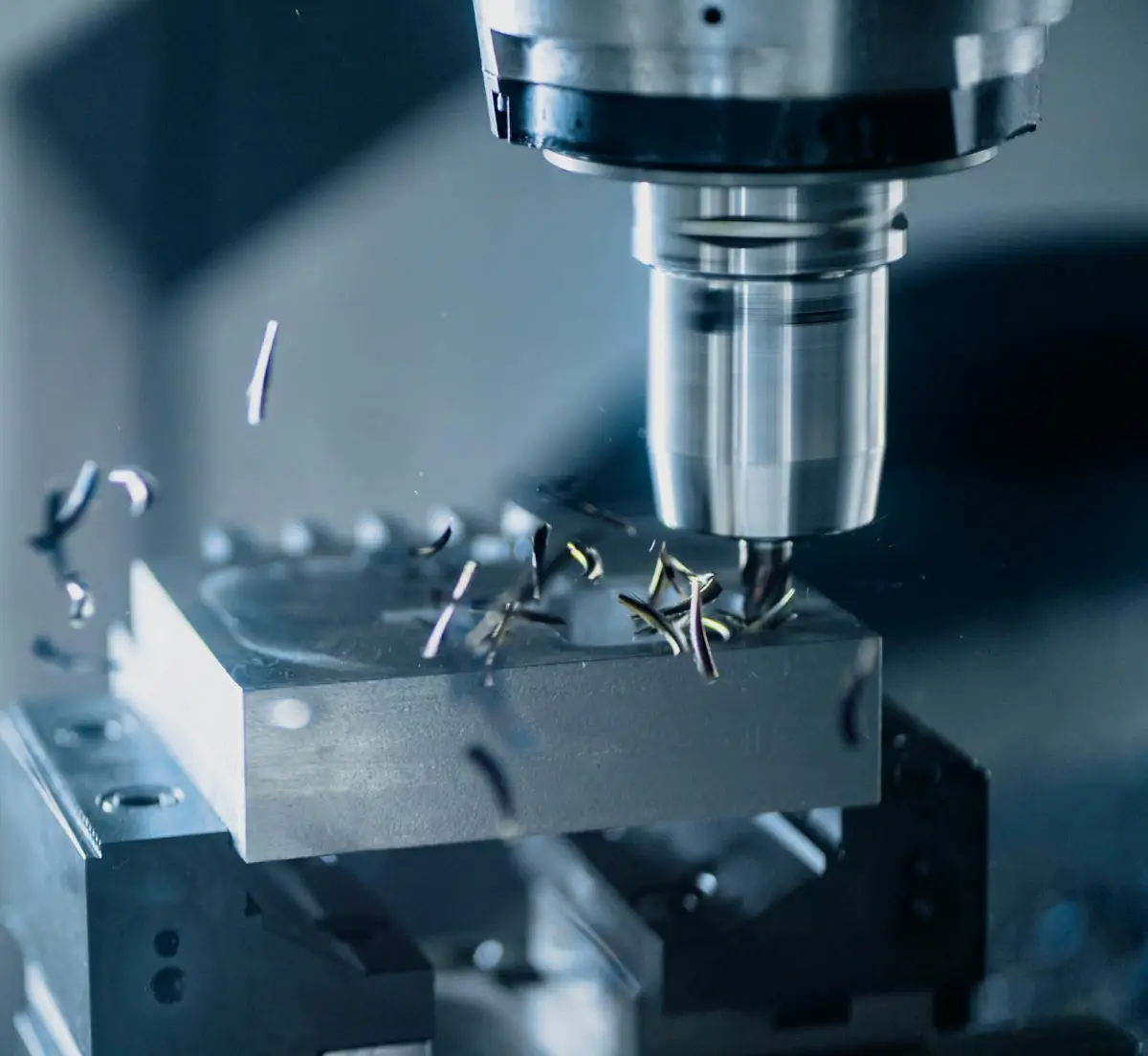
CNC consulting is specialized manufacturing consulting focused at the machine level — the intersection of cutting tool, workpiece, fixture, and program where parts are actually made. Unlike general manufacturing consulting that addresses facility-wide flow and scheduling, CNC consulting targets the technical parameters that determine cycle time, surface finish, tool life, and process capability on individual machines and part families.
Most CNC job shops run programs and tooling configurations that were established years ago, often by operators who have since moved on. These legacy processes work — parts come off the machine in tolerance — but they rarely represent the machine's true capability. Cutting parameters are conservative because no one has revisited them. Tool paths contain unnecessary air cuts because the original programmer was cautious. Fixtures require 20 minutes of alignment because they were designed for flexibility rather than speed.
CNC consulting examines these accumulated inefficiencies systematically. We review programs line by line, analyze tooling selections against current insert and holder technology, evaluate fixturing for setup speed and rigidity, and benchmark cycle times against what the machine and material combination should achieve. The goal is not to rewrite everything — it is to identify the 20% of changes that deliver 80% of the improvement.
The NIST Manufacturing Extension Partnership estimates that U.S. small and medium manufacturers operate CNC equipment at 55-65% of theoretical capacity. The gap between actual and theoretical output represents recoverable revenue — and CNC consulting is the fastest path to closing it because changes happen at the machine, not in the front office.
Core CNC Performance Priorities
Most CNC consulting engagements focus on the few machine-level issues that create the largest capacity, quality, or setup gains.
Cycle Time Optimization
Programs are reviewed for air cutting, conservative feed rates, tool engagement, and tool-change sequence. The best gains usually come from cleaner approach moves and fewer wasted operations.
Tooling Selection and Strategy
Tool inventory is compared against insert geometry, coatings, holders, and part-family needs. Better standards reduce inventory cost, simplify setup decisions, and improve repeatability.
Fixturing and Workholding
Workholding is evaluated for rigidity, repeatability, and changeover speed. Datum standardization, quick-locate features, multi-part loading, or fixture redesign are prioritized where the return is clear.
Process Capability and Quality
When CNC processes create scrap or heavy inspection loops, variation is tracked to sources such as thermal growth, fixture deflection, tool wear, and first-article routines.
What CNC Consulting Looks Like on Your Floor
Every engagement is hands-on. We work at the machine, not from a desk.
- Machine and process audit — We observe each target machine running production parts. Cycle times, setup times, and idle times are recorded. Programs are reviewed for tool path efficiency. Tooling and fixturing are evaluated for suitability and condition.
- Cutting parameter review — Speeds, feeds, depths of cut, and tool engagement angles are compared against manufacturer recommendations and our experience base. Conservative parameters are identified and tested at higher performance levels with controlled trials.
- Program optimization — Tool paths are restructured to minimize air cutting, optimize approach strategies, and reduce tool change frequency. Where appropriate, we implement high-efficiency milling paths, trochoidal slotting, or combined operations that consolidate multiple passes into fewer tool changes.
- Fixturing improvements — Workholding is evaluated for setup speed and process rigidity. Quick-change elements, standardized datums, and multi-part fixtures are recommended where they deliver measurable setup time or cycle time benefits.
- Validation and documentation — Every change is validated with measured parts and timed cycles. Improved programs, tool lists, and setup sheets are documented so the improvements persist after we leave.
When CNC Consulting Delivers the Highest Return
CNC consulting produces the most significant results when specific conditions exist on the shop floor. Here are the signals that indicate your operation will benefit.
Programs have not been updated in years. If your CNC programs were written when the machine was new — or by an operator who is no longer with the company — they almost certainly do not reflect current tooling technology, machine capability, or best practices. A program review typically identifies 15-30% cycle time improvement from tool path optimization alone.
Tool life is inconsistent or unpredictable. When the same insert lasts 200 parts on one job and 50 parts on another with the same material, the problem is usually cutting parameters or tool engagement strategy. CNC consulting identifies the specific conditions causing premature tool failure and adjusts parameters to achieve consistent, predictable tool life — which reduces both tooling cost and unplanned interruptions.
New machines are not producing faster than old ones. A common frustration: the shop buys a new machine with a faster spindle and better rigidity, but parts come off at the same rate as the old machine. The programs, tooling, and fixturing were simply transferred without being optimized for the new machine's capability. CNC consulting unlocks the performance you already paid for.
Scrap rates spike on specific parts or materials. If your scrap is concentrated on particular part numbers or material grades, the issue is almost always process-related — thermal growth, fixture deflection, tool selection, or programming strategy. CNC consulting diagnoses the specific failure mode and implements corrective changes that bring scrap back to acceptable levels.
For facility-wide constraint analysis beyond individual machines, see our manufacturing consulting service. For operator skill development, our manufacturing training programs build on the process improvements CNC consulting delivers.
CNC Consulting Questions
We consult on CNC lathes, vertical and horizontal machining centers, 5-axis mills, Swiss-type lathes, and CNC grinders. Our expertise covers both metalcutting and workholding — from speeds and feeds optimization to fixture design and quick-change tooling systems. We work with all major control platforms including Fanuc, Haas, Siemens, and Mazak.
Yes. Cycle time reduction is one of the most common CNC consulting requests. We review existing programs for inefficient tool paths, unnecessary air cutting, conservative feeds and speeds, and suboptimal tool selection. Typical reductions range from 10-35% per part without affecting quality. Changes are validated with measured parts before implementation.
Yes. Our consultants have hands-on machining experience — they have written programs, set up machines, selected tooling, and run production. This is not theoretical consulting. We speak the language of G-code, tool offsets, and chip load because we have done the work. That experience is what allows us to identify improvements that a general consultant would miss.
Most engagements produce measurable improvements within the first 1-2 weeks. Cycle time reductions, setup improvements, and tooling changes can be implemented and validated quickly because they happen at the machine level — no IT integration or organizational restructuring required. You will see timed before-and-after comparisons on your own parts, on your own machines.