Manufacturing Consulting Questions for U.S. Shop Leaders

Published by The Streamline Group

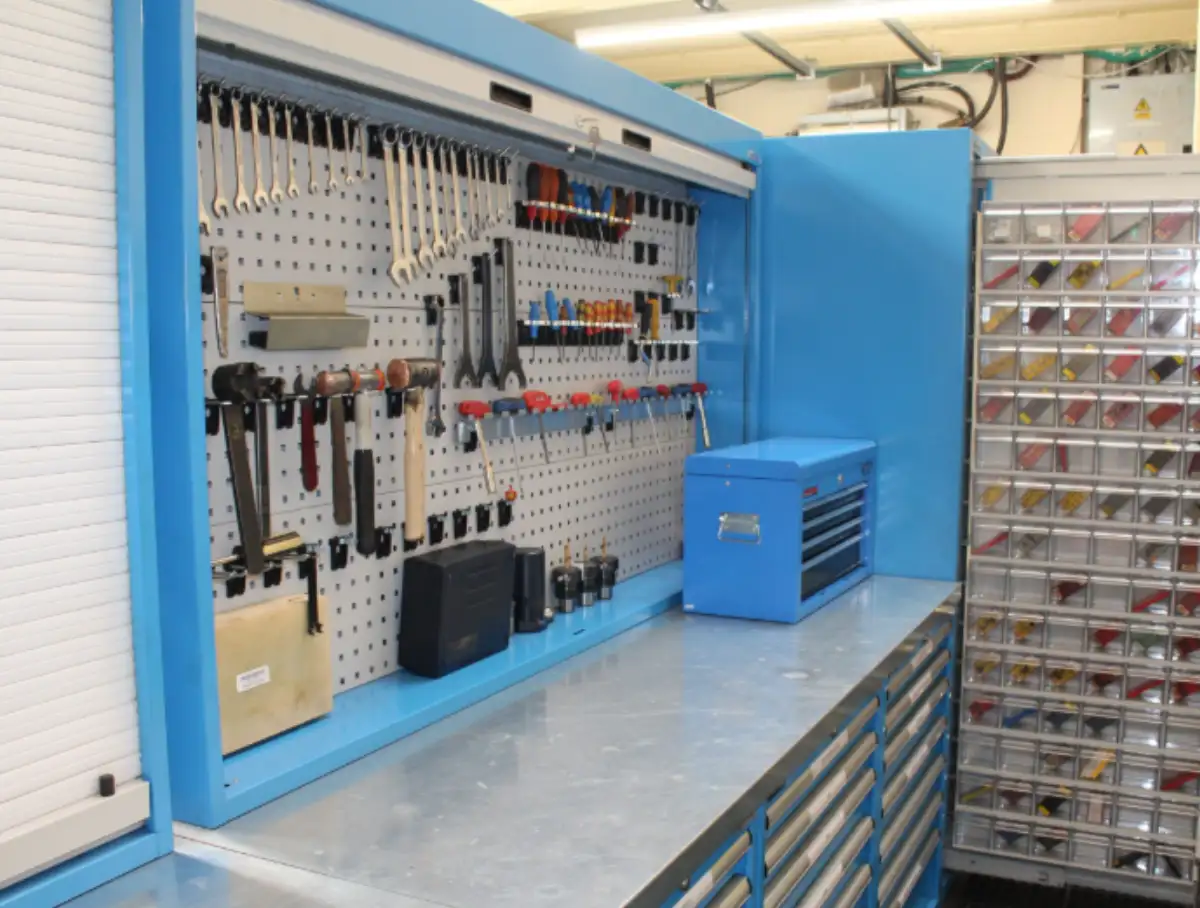
CNC machine inspection during a manufacturing consulting assessment
A useful consulting scope connects the business symptom to the machine, setup, queue, handoff, or method that can be observed and improved.

For U.S. shop owners and plant leaders, the first manufacturing consulting decision is not which improvement method sounds best. It is whether the consultant can connect a costly production symptom to work that can be observed, measured, changed, and sustained.

Search results for manufacturing consulting cover everything from corporate strategy and technology programs to direct shop-floor support. That breadth makes comparison difficult. Before booking, define what help should look like in your operation and ask each consultant to explain how the proposed scope fits the constraint.

What Do Manufacturing Consultants Actually Do?

Manufacturing consultants may work on strategy, systems, supply chain, plant layout, automation, quality, production management, or process improvement. Ask what the consultant will do inside your facility—not only which concepts will appear in the proposal.

The Streamline Group’s manufacturing consulting service focuses on shop-floor execution. Depending on the constraint, the work may include observing live production, measuring setup activity, following material and information flow, reviewing tooling or machine capability, comparing operator methods, testing a revised process, and documenting the method your team will use afterward.

Is the Consultant a Fit for This Specific Problem?

A consultant with broad credentials may still be a poor fit for a narrow production problem. Ask for a direct explanation of how the engagement would address the machine, cell, part family, or handoff that is creating pressure. The answer should identify what needs to be seen, which data is helpful, and who from your team needs to participate.

If production waits between departments, the starting point may be workflow optimization. If changeovers consume the available window, setup time reduction may be the better first scope. If the team is considering capital equipment, a machine tool evaluation can help separate a true capability gap from lost capacity around the machine.

How Should We Compare Manufacturing Consulting Costs?

Searchers often ask for an hourly consulting rate, but the headline rate does not show the full cost or value of an engagement. Ask whether pricing covers preparation, travel, time on site, data review, analysis, implementation support, training, documentation, and follow-up. Also ask what would trigger additional time or a second phase.

Hourly, daily, fixed-project, and phased pricing can all be reasonable. The clearer comparison is the complete scope: how many production conditions will be observed, what decisions the work will support, what the team will receive, and where the consultant’s responsibility ends.

Do We Need a Large Firm or a Specialized Shop-Floor Consultant?

The right answer depends on the work. A company-wide strategy, enterprise system, or multi-function transformation may require a larger team. A focused throughput, setup, tooling, workflow, or operator-method problem may benefit from a specialist who can work beside operators and supervisors in live production.

Ask who will perform the work after the proposal is signed. Confirm whether the people introduced during the sales process will also observe the floor, analyze the constraint, help implement the change, and conduct follow-up. That question matters as much as the size of the firm.

Will the Engagement Include Normal Production?

Conference-room interviews and production reports are useful, but they may not reveal the small losses that collect around staging, offset entry, fixture alignment, tool changes, inspection, maintenance, queue decisions, and shift handoffs. Ask how much time will be spent watching ordinary work and how the visit should be scheduled.

For a manufacturer served across the United States, on-site time should be planned around the process that exposes the constraint. A representative setup, difficult part family, overloaded shift, or schedule-gating machine is more useful than a general tour of idle equipment. The Streamline Group is based in North Texas and serves manufacturers nationwide, with the visit shaped around the production problem being evaluated.

What Will Remain When the Consultant Leaves?

Ask for deliverables that match the constraint. These could include an observation summary, time study, constraint map, revised setup sequence, machine capability finding, tooling recommendation, pilot result, training plan, standard work, or prioritized implementation roadmap. The proposal should state who owns each action and how the shop will judge whether the change holds.

Implementation support is especially important when the work changes an operator method or handoff. A recommendation is not yet a repeatable process. Ask whether the consultant will help test the change under live conditions, adjust it with the team, and transfer the method through usable documentation or manufacturing training.

What Should We Prepare for the First Call?

Bring the best available description of the symptom: affected machines or part families, typical setup or delay ranges, recent schedule pressure, downtime notes, quality holds, rework patterns, staffing concerns, and examples of jobs that regularly disrupt flow. Perfect data is not required. Specific operating context is more useful than a polished presentation that hides normal variation.

Be ready to discuss when the problem occurs, who sees it most clearly, and what the business needs to improve. Those answers help determine whether the first step should be a discovery call, data review, focused walkthrough, setup study, tooling review, training session, or broader U.S. shop-floor optimization engagement.

Manufacturing Consulting FAQ

What do manufacturing consultants do?

Manufacturing consultants identify operational constraints and help teams improve the processes around them. The work may include production observation, data review, workflow or capability evaluation, process testing, training, and documentation, depending on the engagement.

How much do manufacturing consultants charge?

Pricing depends on the problem, travel, time on site, analysis, implementation, training, and follow-up. Compare the complete scope and deliverables rather than an hourly rate alone, and confirm what could require additional time.

Should we hire a large consulting firm or a specialist?

Choose based on the work required. Broad corporate or systems programs may need a multidisciplinary team. A specific setup, throughput, tooling, workflow, or operator-method problem may be better suited to a specialist who works directly on the floor.

Does The Streamline Group serve manufacturers nationwide?

Yes. The Streamline Group is based in North Texas and serves manufacturers across the United States. A project can begin with a discovery call and available data review, followed by focused on-site observation when needed.

Ask About the Work Behind the Proposal

The best pre-booking questions clarify what will be observed, how the engagement will be priced, who will perform the work, what implementation support is included, and what your team will have when the project ends. If your shop needs help defining that first scope, contact The Streamline Group with the machine, setup, queue, part family, tooling issue, or handoff that appears to be limiting output.

Published by The Streamline Group, LLC - manufacturing consultants providing hands-on shop-floor support for CNC job shops, OEM suppliers, and growing manufacturers across the United States.

Ready to Discuss the Constraint?

Tell us where production is losing time or stability. We’ll help determine whether the right first step is a call, shop-floor walkthrough, focused study, training session, or implementation visit.

Contact The Streamline Group