
Setup Time Reduction in CNC Machining
Systematic SMED methods that cut changeover time by 40-70% — recovering hours of productive spindle time every shift without capital investment.
Every Setup Minute Costs You Spindle Time and Revenue
Setup time reduction in machining is the disciplined practice of minimizing the elapsed time between the last good part of one production run and the first good part of the next. In CNC job shops running high-mix production, setup and changeover typically consume 20-40% of available machine time — time when the spindle is stopped, cutting no chips, and generating no revenue.
The math is straightforward. A CNC machining center running 10 changeovers per day at 35 minutes each spends 5.8 hours in setup — over half of a 10-hour shift. Reduce that setup time to 15 minutes through SMED methods and you recover 3.3 hours of productive machining time per machine per day. Across a 10-machine shop, that is 33 hours of recovered capacity — equivalent to adding three full machines to the floor without purchasing, installing, or staffing anything.
SMED (Single-Minute Exchange of Die) provides the proven framework for achieving these results. Originally developed by Shigeo Shingo for Toyota's stamping operations, the methodology has been adapted to CNC machining environments worldwide. The core principle — separating internal setup tasks (machine must be stopped) from external setup tasks (can be done while running) — applies directly to CNC turning, milling, grinding, and multi-axis operations.
For the detailed SMED methodology and our engagement process, see our comprehensive setup reduction page. For a step-by-step implementation guide, read our guide to reducing CNC setup time.
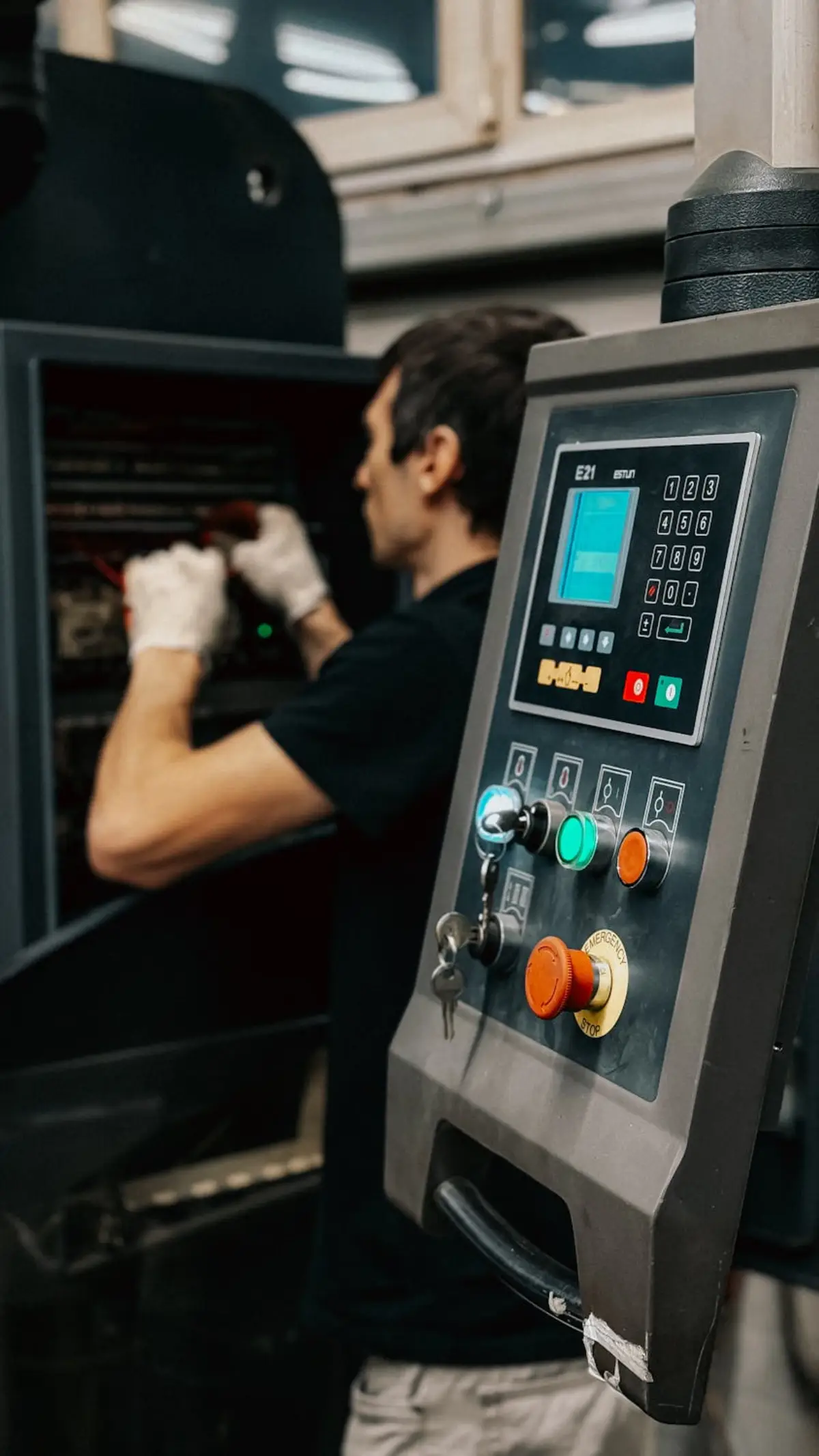
What Actually Drives Setup Time in CNC Operations
Setup time is not a single activity. It is a collection of individual tasks, each with different reduction strategies and different savings potential.
Tool Gathering and Preparation
Operators walking to the tool crib, searching for inserts, assembling toolholders, and verifying tool lengths. In shops without pre-staging protocols, this task alone consumes 15-30% of total setup time — and every minute of it can be moved to external setup. Pre-kitting tools in labeled shadow boxes and staging them at the machine before the previous job finishes eliminates this loss entirely.
Fixture Mounting and Alignment
Mounting workholding on the table, indicating datums, and zeroing the work coordinate system. This is typically the longest internal setup task and the one with the highest variability between operators. Quick-locate pins, standardized fixture heights, and repeatable datum systems reduce fixture mounting from 15-25 minutes to 3-5 minutes while improving part-to-part consistency.
Program Loading and Verification
Transferring programs to the control, verifying tool numbers and offsets, and running a dry cycle or slow first pass. With DNC networking or USB transfer stations at each machine, programs can be pre-loaded during the previous job run. Standardized tool numbering across machines eliminates offset verification errors and accelerates first-article approval.
First Article Inspection
Measuring the first part to confirm all dimensions are in tolerance before running production. While first-article inspection cannot be eliminated, it can be streamlined with dedicated gauging fixtures, go/no-go gauges for non-critical dimensions, and pre-established inspection sequences that focus measurement time on critical features first.
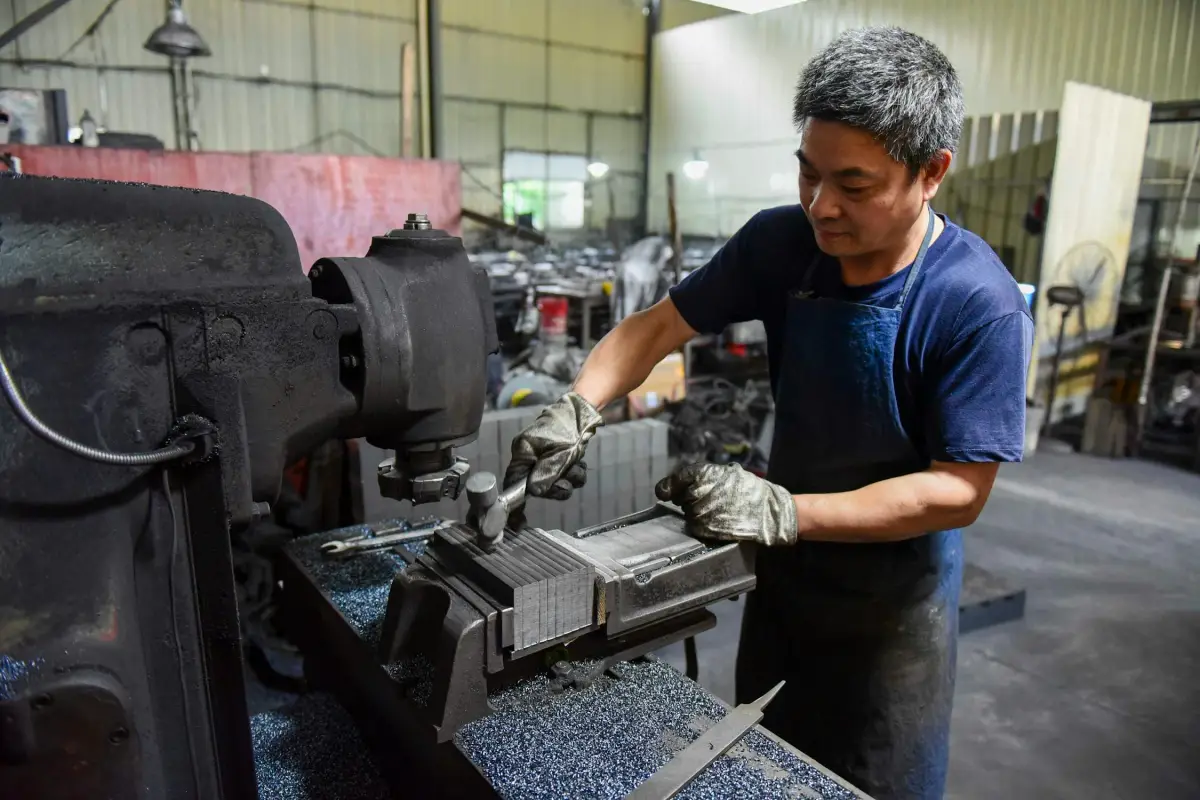
Measuring and Sustaining Setup Time Reduction
Setup time reduction that sticks requires measurement discipline. Without tracking, gains erode within months as operators revert to old habits or develop new shortcuts.
- Establish a baseline — Record average setup time for each machine over a two-week period. Break changeovers into component tasks and time each one separately. This baseline becomes the benchmark against which all improvements are measured.
- Track by machine and operator — Setup time variation between operators indicates a training gap. When one machinist consistently achieves 10-minute setups and another takes 25 minutes on the same machine, the difference is method — and standard work closes that gap.
- Convert to spindle hours recovered — The business metric is recovered productive time. Multiply average time saved per setup by the number of daily setups to calculate weekly recovered spindle hours. Present this in terms management understands: additional revenue capacity.
- Conduct weekly time audits — Record one changeover per machine per week. Compare against the improved standard. Investigate any changeover that exceeds the target by more than 20%. Early detection prevents regression from compounding.
- Review and refine quarterly — Part mix changes, new part numbers, and operator turnover create opportunities for further improvement. Quarterly reviews of setup data identify emerging patterns and maintain momentum.
Common Setup Time Reduction Mistakes
Setup time reduction is straightforward in concept but frequently misapplied. Avoiding these mistakes accelerates results and prevents frustration.
| Mistake | Why It Fails |
|---|---|
| Reducing setup on non-constraint machines first | Only constraint setup reduction increases throughput. Setup reduction elsewhere just builds WIP faster. |
| Focusing on capital (quick-change systems) before methods | 70-80% of setup time savings come from method changes. Equipment accelerates gains but does not create them. |
| Implementing without operator involvement | Operators who did not help design the new method will not follow it. Buy-in requires participation. |
| Skipping standard work documentation | Without written procedures, improvements regress within 3-6 months as operators develop personal shortcuts. |
| Not measuring before and after | Without baseline data, you cannot prove improvement, justify investment, or detect regression. |
Each mistake is avoidable with proper planning and the structured SMED approach described on our setup reduction page.
How Setup Time Reduction Connects to Throughput
Setup time reduction in machining is not just about faster changeovers — it is about the cascading benefits that shorter setups create throughout the production system.
Smaller batch sizes become economical. When setup time is 45 minutes, shops batch parts in large lots to amortize the setup cost. When setup time drops to 12 minutes, running smaller lots becomes practical — which reduces WIP, shortens lead times, and makes the shop more responsive to customer changes. This is the link between setup time reduction and competitive lead time performance.
Scheduling flexibility increases. With 10-minute setups, you can insert rush jobs or resequence the schedule without losing hours of productive time. Every schedule change costs one setup — and when setups are short, schedule changes are cheap. This gives sales the flexibility to accept expedited orders that competitors cannot accommodate.
Operator capacity is freed. When setups take 45 minutes, operators are fully occupied during changeovers. When setups take 12 minutes, operators can run multiple machines, perform preventive maintenance tasks, or stage material for the next job. Setup time reduction often enables one operator to manage two or three machines instead of one — a direct labor productivity improvement.
For comprehensive throughput improvement that includes setup reduction along with scheduling and constraint management, see our throughput improvement service. Setup time reduction also pairs with our tooling solutions for quick-change workholding and manufacturing training to ensure operators sustain the improved methods.

Setup Time Reduction Questions
They refer to the same discipline. Setup reduction is the general term for minimizing changeover time. Setup time reduction emphasizes the measurable time savings — the minutes and hours recovered per changeover. Both use SMED (Single-Minute Exchange of Die) methodology as the foundation. Our setup reduction page details the full methodology.
The primary tools are video recording, time studies, and the SMED classification framework (internal vs. external tasks). Physical tools may include quick-change fixtures, offline tool presetters, standardized toolholders, and color-coded tooling systems. Most initial improvements require no capital investment — just method changes and standard work documentation. Hardware investments come later, after method-based improvements are captured.
Yes. Setup time reduction is method-based, not technology-based. The SMED principles apply regardless of machine age, brand, or control system. In fact, older machines often benefit more because their original setup procedures were designed for flexibility rather than speed. External task separation, pre-staging, and standardized procedures work on any CNC machine — from a 1990s Fadal to a new DMG Mori 5-axis.
Sustainment is built into every engagement through three mechanisms: standard work documents that capture the improved method in clear visual format, operator training that builds ownership of the new procedures (because operators helped develop them), and a weekly time audit protocol that catches regression before gains erode. We also conduct a follow-up review 30-60 days after implementation to verify results are holding and address any new issues.